
Can You Breastfeed After a Breast Reduction?

Breastfeeding after breast reduction often brings many questions and concerns. The NYC Mommy Makeover Center has spoken with many women who want real answers about whether nursing after surgery is possible, what challenges could appear, and which choices might improve breast milk supply.
Every person’s body responds differently to surgery, and our surgeon knows that personal goals matter too. If you are thinking about starting or expanding your family, understanding the details about breastfeeding after reduction can help you make informed decisions at every step. Let’s take a look at what you really need to know.
Key Takeaways
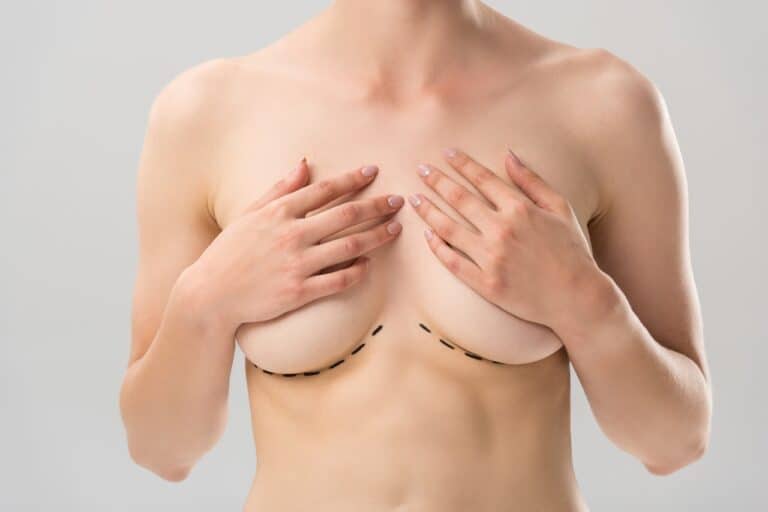
How Breast Reduction Surgery Impacts Breastfeeding
Anyone considering breast reduction should first learn how the procedure works and which factors affect breastfeeding afterwards.
What Happens During Breast Reduction Surgery
Our surgeon removes extra breast tissue, skin, and fat to reshape and lift the breasts. The main goals focus on creating a more proportional contour and relieving discomfort from overly large breasts.
Our surgical team must move the nipple and areola to a higher spot on the breast. Sometimes this step can affect the nerves and ducts that help with sensation and milk flow.
Types of Techniques and Their Effects
Different surgical approaches can have unique effects on breastfeeding. The method used for your reduction may influence your future ability to nurse.
- Inferior pedicle technique: This approach keeps tissue under the nipple attached and usually maintains better milk duct preservation.
- Free nipple graft: Our surgeon completely removes the nipple and areola, then places them back on the breast. This method can disrupt ducts and nerves, often limiting breastfeeding.
- Vertical or short scar technique: This method can sometimes better protect the connections needed for breastfeeding by limiting how much tissue is removed.
The impact of each technique varies. Every patient heals differently, but choosing a method that saves as much duct and nerve function as possible can help boost your milk supply later.
Nerve Pathways and Milk Ducts
For breastfeeding to work well, nerves must signal the release of hormones that let down milk. The milk ducts also need to stay connected between the glands deep in the breast and the nipple.
If surgery interrupts these important structures, milk flow could decrease. Many patients regain some nerve feeling and duct function over time, which means results may improve as you heal.
Factors That Influence Breastfeeding Success After Reduction
Not every person will have the same chance of nursing after breast surgery. Several factors come into play and can affect your results.
Your Anatomy and Surgical History
Our doctor will look at your original breast size, tissue composition, and the way your nipple connects to the milk-producing areas. Women who had smaller reductions or had the nipple left attached to its underlying tissue often have higher breastfeeding success.
If your reduction removed large amounts of tissue or used a method that detached the nipple, you may face extra obstacles.
Time Since Surgery
Healing continues for months or even years after breast reduction. Breast tissue and nerves can slowly recover with time.
Women who wait several years after surgery before having a baby often report better milk supply compared to those nursing soon after their procedure.
Age and Other Health Considerations
Younger women may have slightly better nerve healing. Hormonal balance, overall health, and history of other breast procedures can also affect outcomes.
Support and Preparation
Ongoing support from your surgical team, lactation counselors, and family can make a big difference. Learning about proper latch, feeding methods, and supplementing as needed can empower you to make the best feeding choices.
Looking at Outcomes: What the Research Shows
Many studies have explored breastfeeding outcomes after breast reduction. While experiences vary, several key findings can guide your expectations.
General Success Rates
About half of women who attempt to breastfeed after reduction succeed in exclusively breastfeeding, while many others provide partial breast milk and supplement as needed. The rate of full milk supply often rises if the surgery occurred years before pregnancy.
Surgical Approach and Success
Research consistently shows that techniques preserving the nipple-areolar complex on a healthy pedicle increase the chance of successful nursing. Techniques involving free nipple grafting often lower the odds due to disruption of milk ducts and nerves.
Patient Stories and Long-Term Satisfaction
Many women who have breastfed after reduction describe mixed emotions. They celebrate the benefits of their reduction surgery but sometimes feel frustration if their milk supply is uneven or lower than hoped.
Connecting with others who have worked through these feelings, or speaking to a specialist, can provide additional reassurance during the adjustment period.
Steps to Improve Breastfeeding Prospects After Surgery
If you hope to breastfeed after a breast reduction, making a plan can improve your chances. There are several actions you can take before and after childbirth for optimal results.
Before Pregnancy or Surgery
The most important steps come early, before your reduction or during consultation for future pregnancies.
- Discuss your goals: Tell our surgeon or your care provider about your desire to breastfeed in the future. This allows them to pick an approach that protects ducts and nerves as much as possible.
- Select the best technique for you: Ask about pedicle-based techniques and nipple-sparing methods. These typically result in better breastfeeding outcomes.
- Plan your family timing: If possible, consider waiting to become pregnant until you are fully healed and sensation is stable in the breasts and nipples.
During Pregnancy
Pregnancy offers time to monitor your body’s changes and prepare for feeding.
- Meet with a lactation consultant: Schedule sessions with a breastfeeding professional during the third trimester to discuss strategies and set realistic expectations.
- Practice gentle breast massage: Light touch can sometimes stimulate nerve activity and prepare breast tissue for nursing.
- Learn about combination feeding: Familiarize yourself with signs of adequate baby nutrition, so you can supplement confidently if needed.
After Childbirth
Once your baby arrives, timing and support become essential.
- Start breastfeeding as soon as possible: Early and frequent breast stimulation after birth may help increase milk production.
- Track baby’s intake and weight: Keep regular pediatric appointments to make sure your baby gets enough nutrition.
- Partner with your care team: Open communication with your doctor, nurses, and lactation consultants keeps everyone on the same page for optimal feeding plans.
With planning and the right support, many mothers experience meaningful breastfeeding relationships with their babies after breast reduction.
The Emotional Side of Breastfeeding After Reduction
Although physical healing is critical, emotions during this period matter just as much. The NYC Mommy Makeover Center knows that every mother’s journey is unique, and each person brings hopes and worries to the experience.
Common Feelings and Experiences
Pride, relief, and empowerment often follow a successful latch or nursing session. Some women experience sadness or guilt if they cannot provide as much milk as they hoped.
You should know that mixed feeding or choosing formula does not diminish your bond with your child. Our team stresses the importance of seeking support, compassion, and education so you make decisions that fit your full story, not just your anatomy.
Building a Support Network
Open conversations with your partner, family, and friends help normalize the wide range of feeding outcomes. Connecting with support groups or attending local gatherings with other mothers can bring comfort and practical advice at every step.
Asking questions and sharing your experience with clinicians at our New York office can be the first step to feeling empowered and supported.
When to Consider Formula or Supplementation
When milk supply after surgery is less than hoped for, supplementation may be needed. This solution can create concerns, but it also ensures that every baby grows healthy and strong.
Some mothers provide a mix of breast milk and formula from the beginning. Others breastfeed exclusively for a time, then add other nutrition as their baby’s needs grow.
You should feel confident that each feeding plan can support a healthy start in life, regardless of your surgical history. Our team at the NYC Mommy Makeover Center always supports infant feeding choices that put health and wellbeing first.
Frequently Overlooked Points About Breastfeeding After Reduction
Some topics deserve special attention, as they can challenge expectations or bring surprises.
Changes in Milk Flow Between Breasts
Breasts may produce uneven amounts of milk after reduction. It is normal for one breast to be more productive, depending on surgical technique and healing.
Nursing from both sides as much as possible can help stimulate milk production, but you can supplement as needed to help your baby thrive.
Difficulty with Latch or Letdown
Reduced nipple sensitivity or changes in breast shape sometimes make it harder for infants to latch. Lactation consultants can show positions and methods to help your baby feed as effectively as possible.
Monitoring for Mastitis or Engorgement
Reduced sensation or incomplete milk drainage can sometimes lead to mastitis or engorgement. Quick attention to any pain, redness, or swelling keeps your comfort and milk flow on track.
Our doctor always encourages patients to reach out early for help. Acting quickly can prevent small problems from becoming big ones.
Your Partner’s and Family’s Role
The support network at home has a big impact during breastfeeding after reduction. Partners and family can play many positive roles in this transition.
- Emotional encouragement: Loved ones can provide reassurance and positivity during both successes and challenges.
- Practical help: Partners can support with feeding time, formula preparation, or caring for the baby while you rest.
- Patient advocacy: A family that understands your surgical history can stand up for your goals and preferences if any challenges arise during maternity hospital stays.
Clear communication strengthens bonds, while shared responsibility can build confidence in any feeding plan.
Talking with Your Surgeon About Breastfeeding Goals
Conversations with your surgical team can set the foundation for future choices. Bringing up breastfeeding goals early may change surgical planning and guide your aftercare.
Our skilled surgeon at the NYC Mommy Makeover Center always invites questions. We want you to know what to expect and help you feel supported.
Topics you might want to discuss include:
- Which surgical method aligns best with your breastfeeding hopes
- How your unique anatomy may affect milk production
- The timeline for nerve and tissue healing
- Resources for lactation support nearby
- Options if complications or concerns arise in the future
Personalizing your care leads to the best possible outcome.
Making an Informed Decision About Breastfeeding and Reduction
Breast reduction can offer relief from back and shoulder pain, boost self-esteem, and make physical activity more comfortable. If you have plans to grow your family, you also want to weigh your desire to breastfeed.
- Every situation is unique: Candid conversations with both your surgeon and postpartum support team will help tailor your choices.
- No single pathway is right for everyone: Some women happily breastfeed after reduction, some supplement, and others turn to formula as the best answer for their family.
- Empowerment through education: Learning about feeding options protects your peace of mind, no matter what challenges or surprises you encounter.
Common Questions About Breastfeeding After Reduction
We answer many questions from new and expectant mothers who have had breast reduction. Here are several that come up the most.

Support for Your Breastfeeding Goals After Reduction
Whether you are exploring breast reduction or have already had the procedure, understanding your breastfeeding options can bring relief and clarity at every stage of motherhood. Our surgeon at the NYC Mommy Makeover Center believes that every patient’s story matters, and we look forward to working with you toward your goals.
Open discussion with your surgical team before and after pregnancy is the best way to understand your choices. If you need extra guidance or reassurance, our New York office offers consultations to discuss your personal situation in-depth.
If you have questions about breastfeeding after breast reduction or need support during your feeding journey, reach out to schedule an appointment at the NYC Mommy Makeover Center today. Our friendly staff stands ready to help you plan for the healthiest, happiest start with your baby.