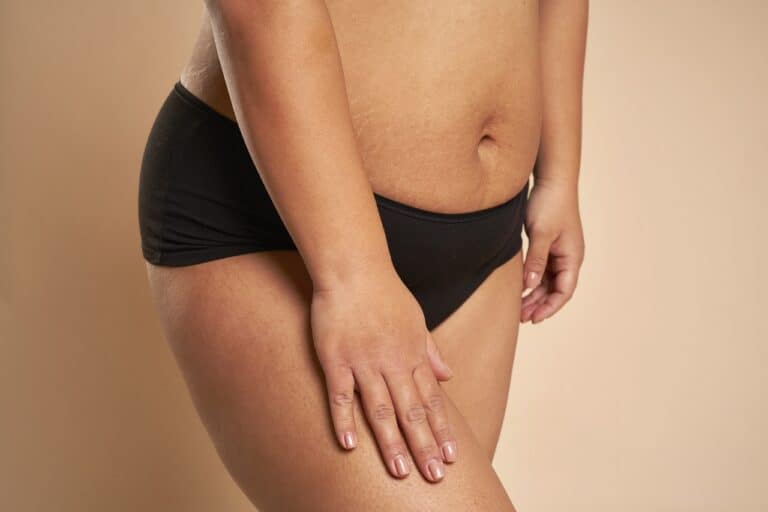
How to Know If You Need a Labiaplasty

If you experience discomfort or self-consciousness due to the shape or size of your labia, you may wonder if surgery could help. At the NYC Mommy Makeover Center, our team speaks with many patients who are unsure whether their symptoms or feelings are “enough” to consider labiaplasty.
Questions about what is normal, what is possible, and whether you should seek help are common. This article answers these questions and guides you through everything you should know about recognizing whether labiaplasty could be the right choice for you. You will also learn about signs, process details, and how our surgical team helps you decide.
Key Takeaways
Physical and Emotional Symptoms to Watch For
Recognizing the signs and signals your body sends can help you decide whether to seek a consultation. Review the symptoms below and see whether any seem familiar.
Changes in Everyday Comfort
Many women notice labial discomfort during physical activities. Tight clothing, exercise, or sitting for long periods sometimes causes irritation. You may feel rubbing, chafing, or stinging, especially after long days.
Sexual activity can also become less pleasant if the labial tissues are sensitive or prone to tugging. Discomfort during intimacy or after riding a bike often brings patients to visit our practice.
Impact on Hygiene and Health
Some patients find it harder to maintain hygiene if their labial tissue has extra folds. Moisture, irritation, or a feeling of “not getting clean” often surfaces as a concern. These issues can lead to repeat infections, which nobody wants to deal with.
Our doctor always pays close attention to symptoms such as:
- Recurring yeast infections
- Urinary tract infections linked to hygiene issues
- Persistent skin breakdown or rashes in the genital area
Effects on Self-Esteem and Confidence
Self-consciousness about labial appearance is very common. You might feel uncomfortable in swimsuits, tight-fitting yoga pants, or during intimate moments. It is normal to want your body to feel congruent with how you see yourself.
If you feel that your appearance gets in the way of confidence or enjoyment of activities, it helps to discuss these feelings with our surgical team.
When Labiaplasty May Be Appropriate
No single standard determines who is the “right” candidate for labiaplasty. Still, a few key situations often lead patients to seek surgical help.
Physical Discomfort That Impacts Daily Life
If physical symptoms regularly disrupt routines, it points to a medical rather than just a cosmetic reason for a mommy makeover. You might experience pain during exercise, irritation after long walks, or soreness from underwear seams. When home remedies or lifestyle adjustments do not bring you relief, surgical intervention may be the answer.
Emotional Distress That Persists
Feeling self-conscious now and then is part of life. However, ongoing distress or avoidance of certain situations because of labial appearance signals that deeper help could be beneficial. Our surgeon understands these feelings and approaches your care with empathy and discretion.
Important Factors Before Deciding on Surgery
It helps to look at the whole picture before making medical decisions. Each person brings their own goals, medical history, and concerns.
Your Anatomy and Genetic Variation
Labial sizes and shapes vary widely, and most fall within the range of normal. Some patients notice changes after childbirth, aging, or weight shifts. If you have always had extra tissue, or if a recent life event has led to changes, effective treatment options are available to help restore your comfort and confidence.
Overall Health and Healing
Good candidates for labiaplasty are usually in good general health. Chronic conditions, blood clotting disorders, or skin diseases can affect healing. We take a close look at your health, medication use, and allergies before advising you on your options.
Your Expectations and Goals
Clear, realistic expectations help you feel satisfied with labiaplasty outcomes. Our team listens to your hopes and concerns, whether you care about comfort, symmetry, or discretion of scarring. We guide you with honest information about what the procedure can and cannot do.
Common Non-Surgical Approaches to Labial Concerns
Before pursuing labiaplasty, many patients want to try less invasive approaches first. Non-surgical options can help address mild discomfort or cosmetic concerns.
Clothing and Lifestyle Adjustments
- Switching to looser clothing: Boxers, boyshorts, or soft fabrics can decrease irritation during daily activities and exercise.
- Changing hygiene routines: Using gentle cleansers or unscented products sometimes reduces itching and irritation.
- Lubricant use: Personal lubricants during intimacy may decrease friction and discomfort for some women.
Topical Treatments and Therapies
- Prescribed creams: Doctors may suggest ointments to help with inflammation or healing of minor skin breakdown.
- Moisture-wicking products: Special pads or liners can help control moisture, which lowers the risk of irritation.
When These Approaches Fall Short
If comfort, appearance, or function do not improve with these steps, surgery may offer a more permanent answer. Our labiaplasty surgeon talks through the steps you have already tried and helps you understand your options.

Signs Labiaplasty Might Be Right for You
Several warning signs show that labiaplasty could improve your well-being. Review the list below to see if your symptoms fit these patterns.
Here are signs labiaplasty may be a good choice:
- Regular discomfort: You feel pain, chafing, or a pulling sensation from everyday activities, clothes, or intercourse.
- Frequent infections: You get regular yeast or urinary tract infections that seem linked to labial anatomy.
- Hygiene issues: You find daily hygiene difficult because labial folds trap moisture or discharge.
- Activity avoidance: You skip certain activities, like biking or swimming, due to discomfort or embarrassment.
- Appearance-related self-consciousness: You often feel self-conscious or anxious about how your labia look in clothes or when unclothed.
- Failed conservative treatments: You have tried non-surgical steps without relief, or at-home solutions only bring temporary help.
The appearance of these symptoms does not automatically mean surgery is required. A personalized evaluation helps determine the best course.
What Happens During a Labiaplasty Consultation
A private, supportive consultation at our New York City office provides answers guided by your unique needs. Our doctor takes several careful steps to ensure your comfort and safety.
Listening to Your Concerns
We begin by listening closely to your experiences and concerns. Your privacy matters, and you have space to talk openly about symptoms or any distress you wish to address.
Examining Your Health and Anatomy
A gentle exam allows our surgeon to assess your labial anatomy and the factors affecting your comfort. We also review your overall health, allergy list, medications, and past procedures.
Reviewing Your Options
Our surgeon discusses the benefits and limitations of both non-surgical and surgical paths. We want you to make decisions from a place of knowledge, not pressure.
Setting Realistic Expectations
Before moving forward, our doctor outlines expected results, possible risks, and the recovery process. Clear, open communication helps make sure your goals stay front and center.
Types of Labiaplasty Procedures
Different techniques offer different benefits, and our team chooses the best approach for your anatomy and goals.
Trim Technique
The trim method removes tissue along the edge of the labia minora. This straightens the outer line and provides a clean, natural look. Many women request this technique for simplicity and reliable results.
Wedge Technique
The wedge method removes a V-shaped section from the thickest part of the labia. The remaining tissue is stitched together to retain a more natural border. This technique preserves much of the original labial edge.
Custom Approaches
Each patient’s anatomy is unique. Our surgeon sometimes combines techniques or adds clitoral hood reduction to address all concerns safely.
What To Expect During Surgery
Labiaplasty usually takes about one to two hours in our well-equipped surgical suite. Local anesthesia with oral sedation or gentle IV anesthesia keeps you comfortable.
Recovery protocols aim to limit swelling, support pleasing results, and ensure safety. Our nursing team explains each step, from pain control to hygiene, until you are healed.
Recovery, Healing, and What to Expect After Labiaplasty
Recovery from labiaplasty is typically straightforward, but it helps to know the details so you feel prepared.
Immediate Recovery: Days One to Three
- Rest is crucial: Expect to spend several days mostly relaxing, using cool compresses and loose clothing to keep swelling under control.
- Mild discomfort: Most women describe the pain as mild to moderate. Prescription or non-prescription medication can handle it.
Short-Term Healing: First Two to Three Weeks
- Light activity only: You can walk and move gently but should avoid vigorous exercise or sex for three weeks.
- Suture care: Our doctor explains how to keep the area clean and dry to prevent infection.
- Bruising and swelling: These will slowly resolve over two to three weeks. If you have concerns about healing, our staff is just a call away.
Returning to Normal Life
Most patients return to work and social routines between one and two weeks. Full healing, including complete softness and sensitivity in the area, may take a few months. Our team monitors your progress and answers questions at every stage.
Weighing the Benefits and Risks of Labiaplasty
Labiaplasty delivers significant benefits for the right patient. However, as with any surgery, it carries potential risks.
Main Benefits of Labiaplasty
- Lasting comfort: Most patients report less pain or irritation during exercise and sex.
- Confidence boost: Feeling comfortable in swimwear, tight clothing, or with a partner often improves.
- Improved hygiene: Easier cleaning lowers the risk of repeat infections and skin breakdown.
- Custom results: Modern techniques allow for results tailored to your anatomy and wishes.
Possible Risks and Limitations
- Scarring: While generally minimal, any surgical incision can heal with a visible line.
- Temporary numbness: Changes to labiaplasty and sensation during the healing phase are common, but normal feeling usually returns as recovery progresses.
- Delayed healing or infection: Adhering to our aftercare instructions helps prevent complications.
- Revision surgery: Sometimes, a second procedure may be needed to adjust the results.
A detailed discussion with our surgeon will help you weigh these risks against the benefits for your situation.

Questions To Ask During Your Consultation
Patients feel much more confident when they have answers to their most pressing questions. Consider asking these when you meet with our surgical team:
- What are the most common reasons people undergo labiaplasty at your practice?
- Which labiaplasty technique do you recommend for my anatomy and symptoms?
- How should I prepare for the recovery period after surgery?
- What are the possible risks or negative outcomes I should monitor for?
- How soon can I return to my usual work, exercise, or intimate activities?
- Have other patients with my symptoms found surgery effective?
- Are non-surgical treatments an option for my circumstances?
Our surgeon believes that every question deserves a detailed, honest answer.
Making the Choice That’s Right for Your Body
The decision to have labiaplasty is deeply personal. Each patient brings individual physical symptoms, emotional goals, and the hope for lasting comfort.
At the NYC Mommy Makeover Center, our team aims to make sure you feel informed, secure, and understood at every step. Whether your concern centers on function, self-confidence, or medical issues, you deserve care tailored to you.
If you think labiaplasty might help you feel better in your day-to-day life, contact our office to schedule a private consultation. We look forward to helping you take the next step toward comfort and confidence.